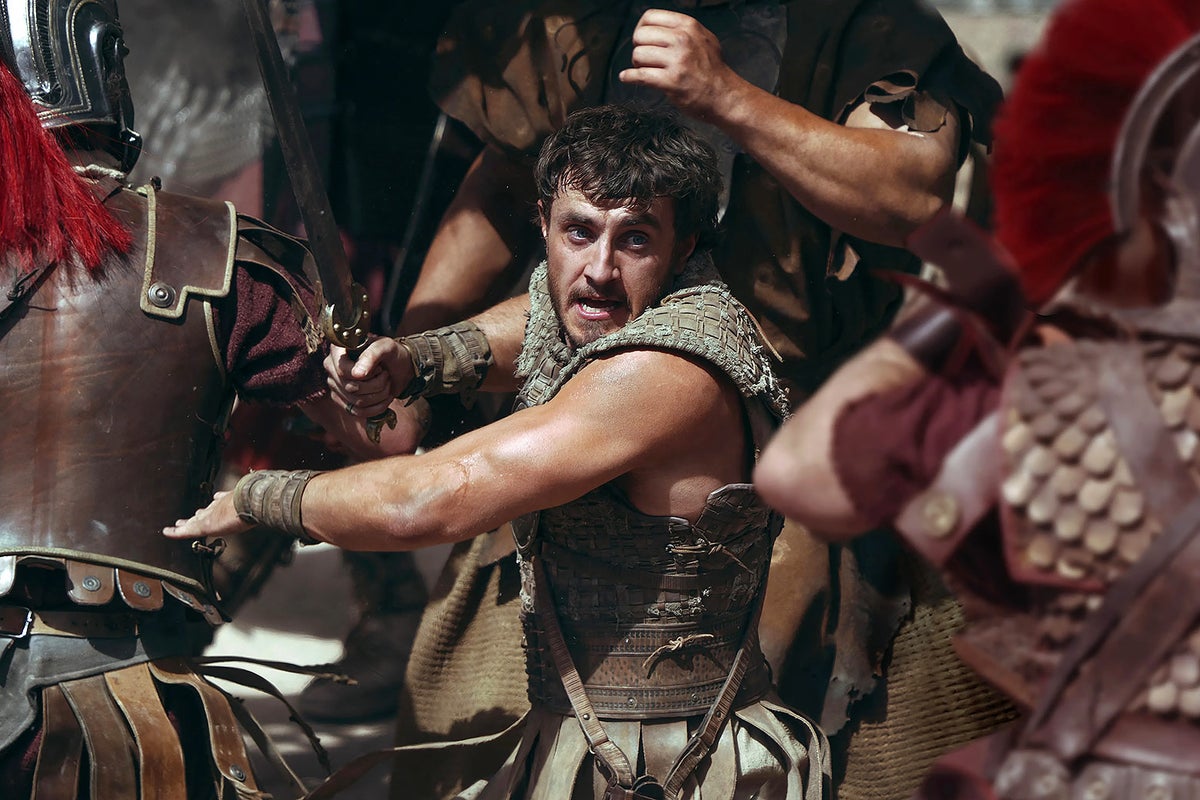
When Ridley Scott’s Gladiator was released in 2000, it initiated a significant transformation within the realm of historical cinema. The film not only rejuvenated interest in epic narratives set in antiquity but also revolutionized techniques, narrative approaches, and audience expectations regarding the portrayal of history on the big screen. Understanding its contributions involves examining the broader context of its release, its technical execution, narrative choices, and the legacy it left for both filmmakers and audiences.
Breathing New Life into the Sword-and-Sandal Genre
Gladiator arrived at a moment when historical epics set in antiquity—commonly known as “sword-and-sandal” films—had largely disappeared from cinema. The industry’s earlier enthusiasm for lavish productions such as Ben-Hur (1959) and Spartacus (1960) had diminished throughout the 1970s, giving way to contemporary narratives and technology-driven science fiction offerings. Scott’s production succeeded in reviving considerable fascination with historical epics among both audiences and studio executives alike.
The film’s commercial and critical success—winning five Academy Awards, including Best Picture and Best Actor—demonstrated that there was a substantial market for films set in ancient times. After its release, studios greenlit projects like Troy (2004), Alexander (2004), and 300 (2006), cementing the genre’s revival for a new millennium.
Visual Innovation and Authenticity
Gladiator‘s approach to visual storytelling set new standards for historical cinema. Scott employed cutting-edge CGI to reconstruct Rome’s architectural splendor, most notably in the film’s depiction of the Colosseum. Rather than relying solely on traditional sets or matte paintings, digital imagery enabled sweeping camera movements that immersed audiences in ancient Rome’s grandeur. The battle sequences, including the opening scene in Germania, merged practical effects with digital enhancements, delivering visceral realism unprecedented at the time.
The meticulous research undertaken by costume designers and set decorators encompassed Roman armors, tunics, and weaponry in considerable detail. Although creative liberties were embraced throughout the film, the unwavering dedication to textural authenticity left a lasting impression on historical productions that followed, fostering an equilibrium between grand spectacle and believable representations of material culture.
Complex Protagonists and Moral Ambiguity
While earlier historical epics frequently depended on straightforward heroes and antagonists, Gladiator offered viewers a protagonist of considerably greater complexity. Russell Crowe’s portrayal of Maximus Decimus Meridius reveals a character torn by internal conflict and moral ambiguity, driven equally by both retribution and obligation. Such a strategy represented a departure from conventional depictions, moving away from one-dimensional historical characters towards representations that embrace psychological richness and emotional authenticity.
The antagonist, Commodus, embodied both cruelty and vulnerability. Joaquin Phoenix’s performance emphasized the psychological turbulence of power, making the audience witness not just villainy but insecurity and longing. These characterizations departed from the one-dimensional archetypes of earlier epics, aligning historical cinema with contemporary storytelling sensibilities.
The Way Stories Unfold and How Their Themes Echo
Gladiator adopted narrative frameworks familiar to modern viewers—such as the redemption arc and personal loss—while embedding them within historically inspired events. The film’s balance of intimate drama and vast, society-spanning consequences reconfigured how epic stories could be told.
Audiences in the late twentieth and early twenty-first centuries found themselves drawn to narratives centered on honor, corruption, tyranny, and personal duty, which demonstrated how timeless tales could speak to fundamental human preoccupations. By delving into grief, justice, and the afterlife, the film struck a philosophical chord, prompting viewers to contemplate what power and legacy truly signify.
Historical Accuracy versus Artistic License
Scholars and critics have scrutinized Gladiator for its blending of fact and fiction. Commodus’ reign, the politics of the Colosseum, and Maximus himself were substantially fictionalized. However, the film’s success highlighted the creative tension at the heart of historical cinema: the need to engage viewers emotionally while respecting historical record.
Rather than presenting a documentary account, Gladiator established the notion that historical cinema functions as an artistic interpretation rather than a faithful reproduction of bygone eras. The controversies sparked by this film cultivated a more sophisticated audience, fostering widespread curiosity about Roman civilization and prompting deeper conversations regarding cinema’s role as a bridge connecting history with contemporary understanding.
Cultural Impact and Legacy
The influence of Gladiator extended beyond film production. Its iconic score, particularly the collaboration between Hans Zimmer and Lisa Gerrard, became synonymous with emotional storytelling and has influenced countless trailers and movies since. The film revitalized interest in ancient Roman culture, spurring travel, merchandising, and academic engagement. Phrases such as “Are you not entertained?” entered popular discourse, signaling the film’s immediacy and cultural penetration.
For filmmakers, Gladiator became a reference point for blending action, drama, and technical innovation. Its pacing, structure, and thematic gravity were emulated across various genres, from television series like Rome to video games set in the ancient world.
Gladiator fundamentally transformed cinema by proving that antiquity, when examined through modern sensibilities and cutting-edge craftsmanship, possessed both artistic depth and box-office appeal. By merging historical fidelity with complex storytelling and breathtaking imagery, the film set lasting benchmarks for how history could be portrayed on screen, prompting creators and viewers to reconsider historical narratives with fresh perspectives and intellectual rigor.